Before loneliness was called an epidemic, we were asking strangers to look up.
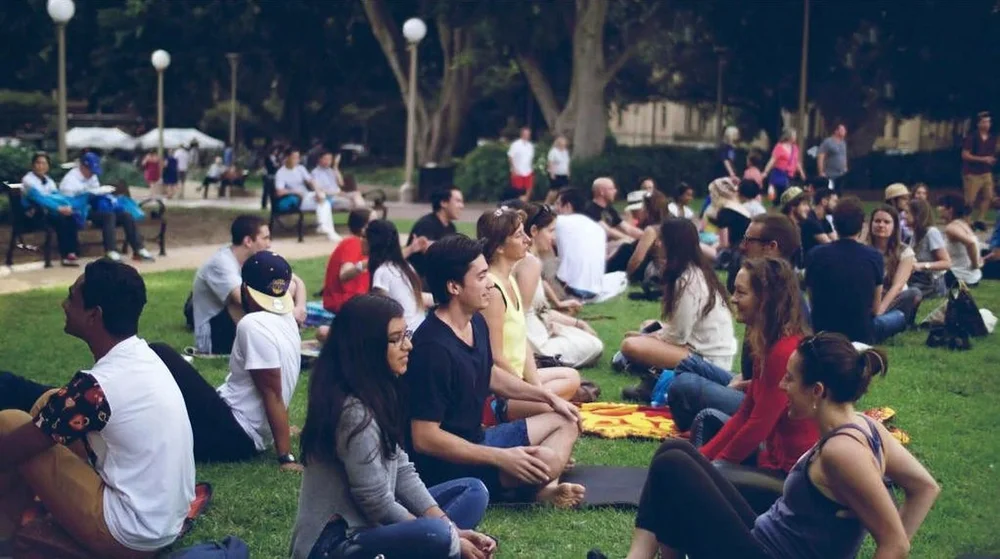
In 2016, one man’s experiment in a Sydney park became a global movement. Strangers answered the simplest bid for connection there is: a look. No words. Just the feeling of being truly seen.
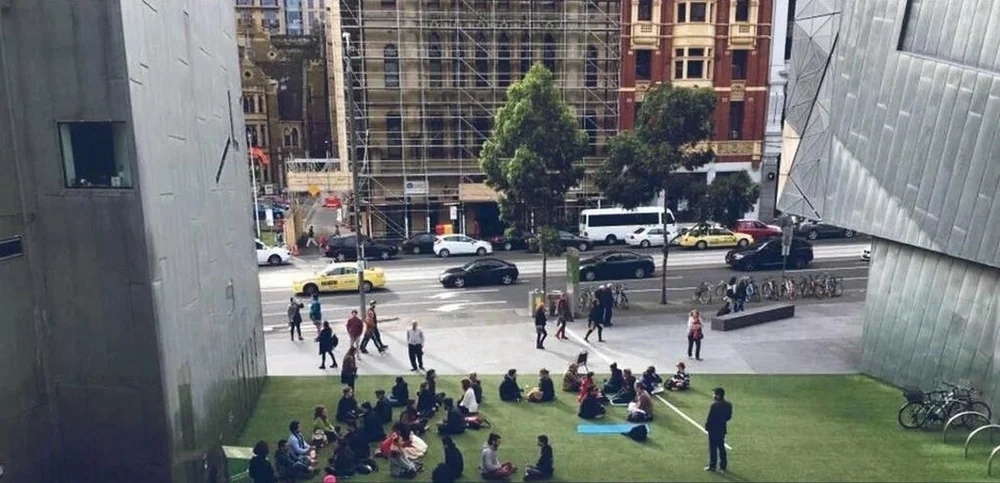
We were sitting in the middle of Federation Square when what felt like a hundred bikies roared past on their motorbikes, engines deafening. They just kept coming. I glanced away for a split second. Not one person had broken eye contact. That’s when I knew we were onto something special.
The movement
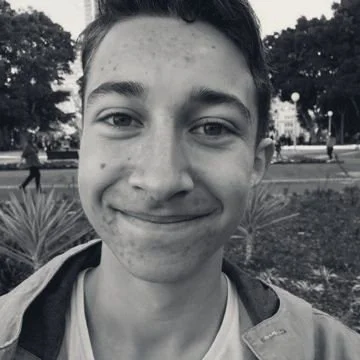
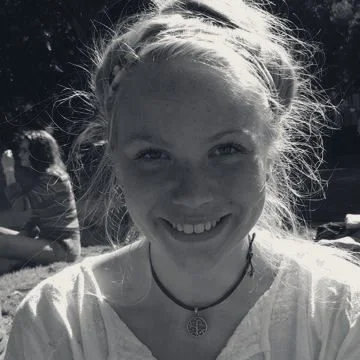
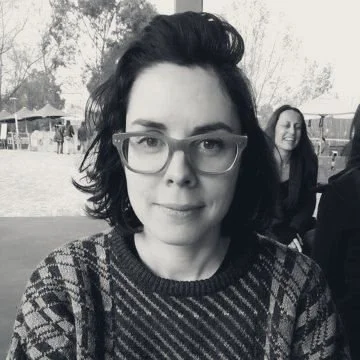
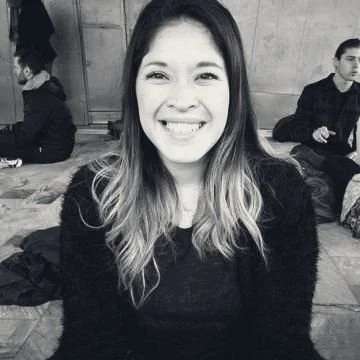
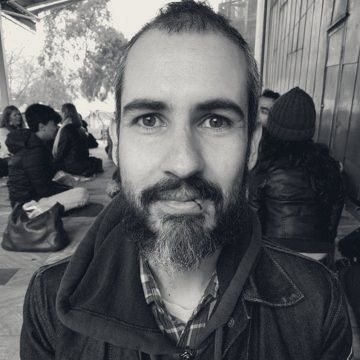
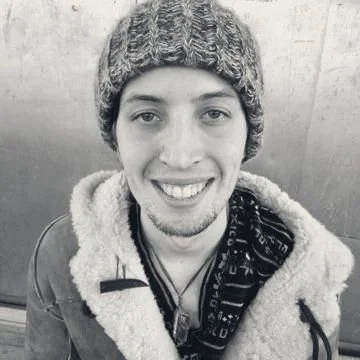
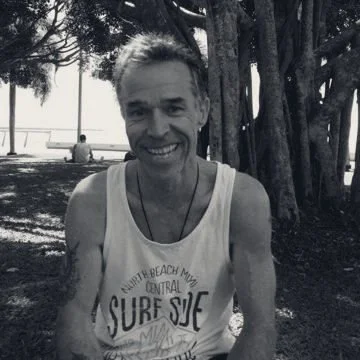
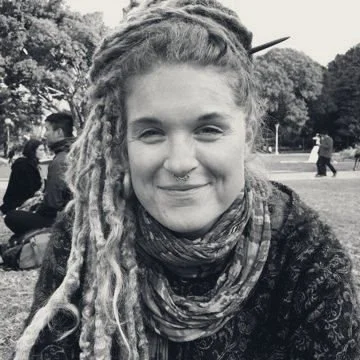
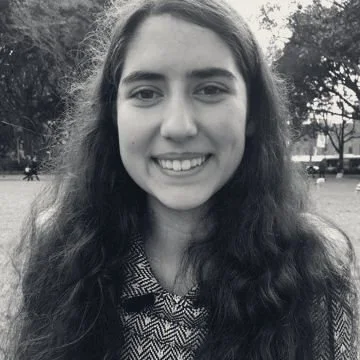
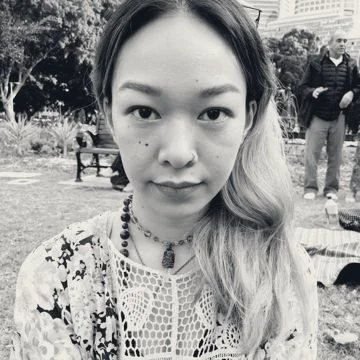
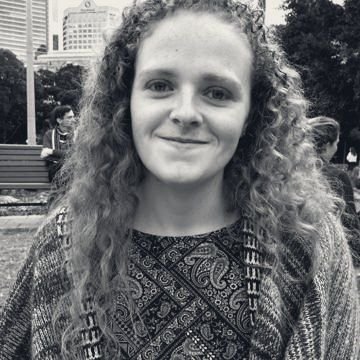
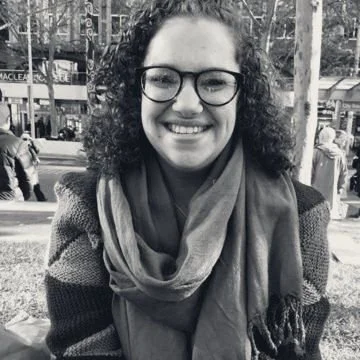
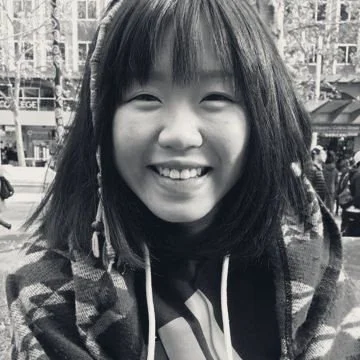
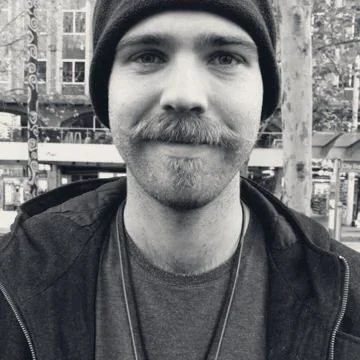
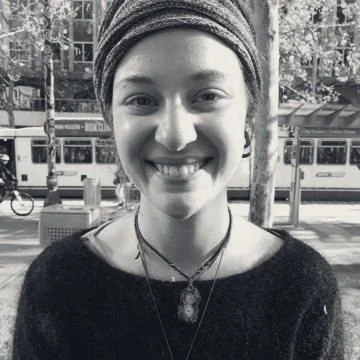
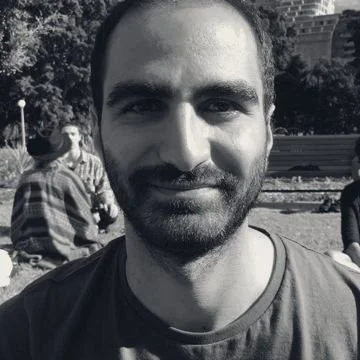
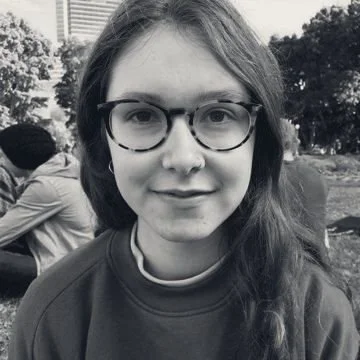
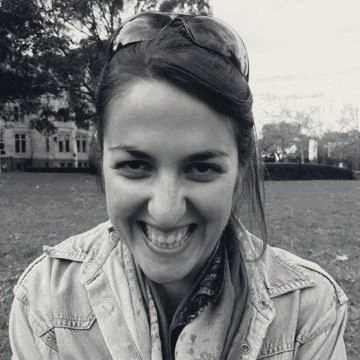
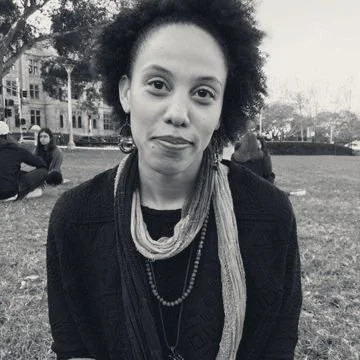
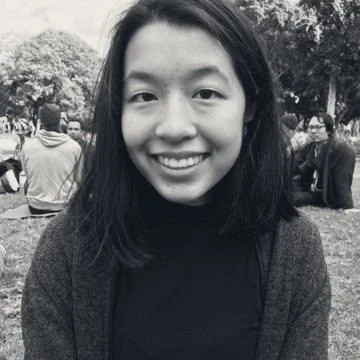
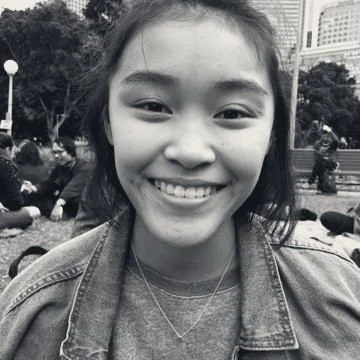
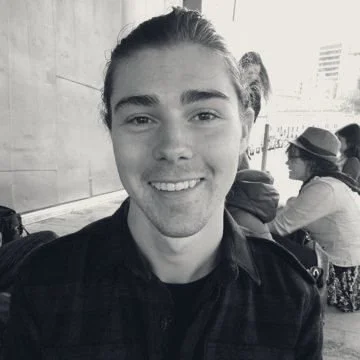
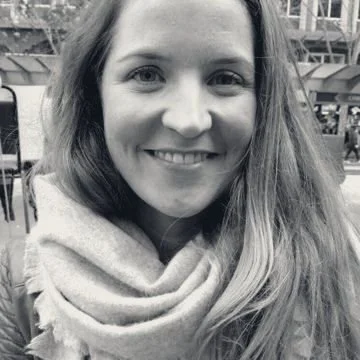
More than 10,000 strangers. This is what they saw.

As covered by










01The problem
Surrounded by people. Seen by almost no one.
Your eyes meet a stranger’s on the train. For a second, there’s an opening. Then you both look away.
It isn’t rudeness. Most of us quietly assume the other person doesn’t want to connect. When University of Chicago researchers asked train commuters to talk to a stranger, people expected it to be awkward. Instead, they had a better journey than those who kept to themselves. We underestimate how much other people want connection too.
Igor Kreyman saw it everywhere in Sydney. “I felt people were afraid to maintain eye contact,” he said. Not unwilling. Afraid. So he set out to make it feel safe.
What we do
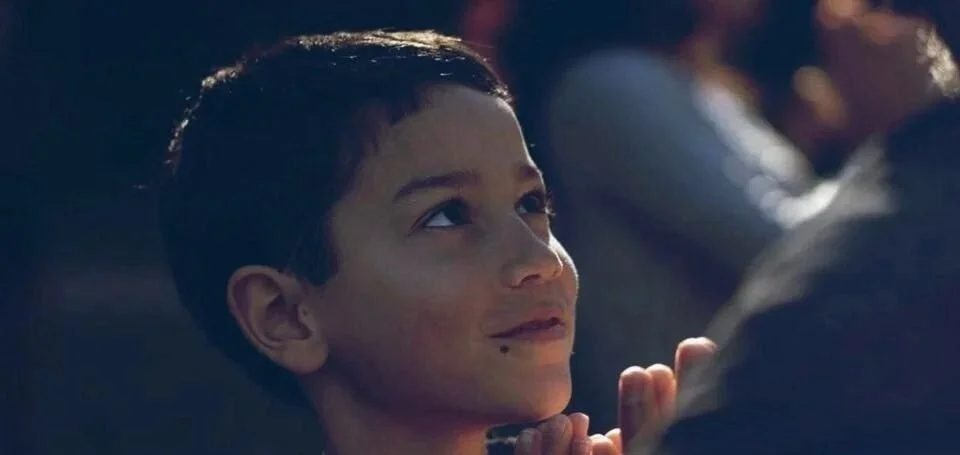
We know how to turn strangers into a community.
It took eight years and more than 300 gatherings to learn how. It comes down to three things. People need to feel safe. They need a simple experience to share. And they need permission to skip the small talk, so nobody has to find the right thing to say.
Get those right and something physical happens. Studies show that people who move in time together cooperate more and feel like a team, and that when two strangers sit face to face in silence, their heart rates begin to synchronise.
People don’t just hear about connection. They feel it, and they remember how to find it again. That’s how a crowd starts to become a community.
Here’s how we learned it.
02Where it began
Before he asked anyone else to do it, it happened to him.
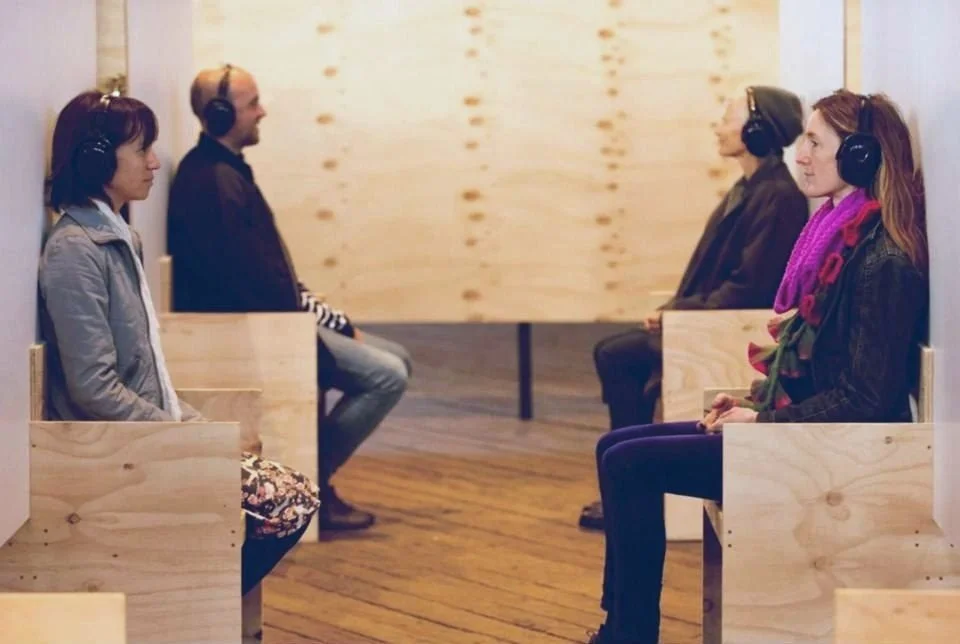
Sydney, 2015. Igor was working at Marina Abramović: In Residence when he sat opposite a stranger and held their gaze, in silence, for the first time.
It was uncomfortable at first, then surprisingly easy. With no small talk to fall back on, he could stop managing how he came across and simply be there. He was curious enough to come back three days in a row.
Less than a year later, he invited strangers to try it in a public park. “I didn’t start the movement,” he says. “The movement started me.”
03The parks
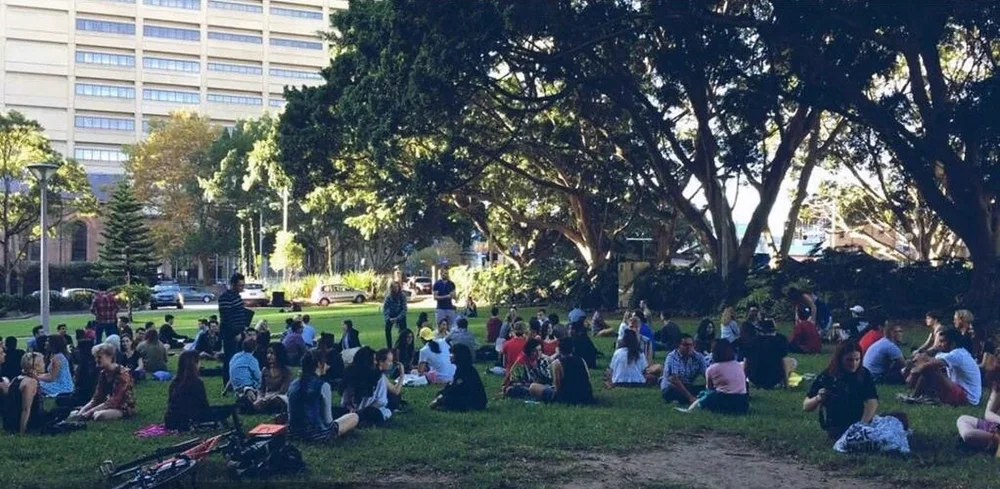
He hoped for 30 people. More than a hundred came.
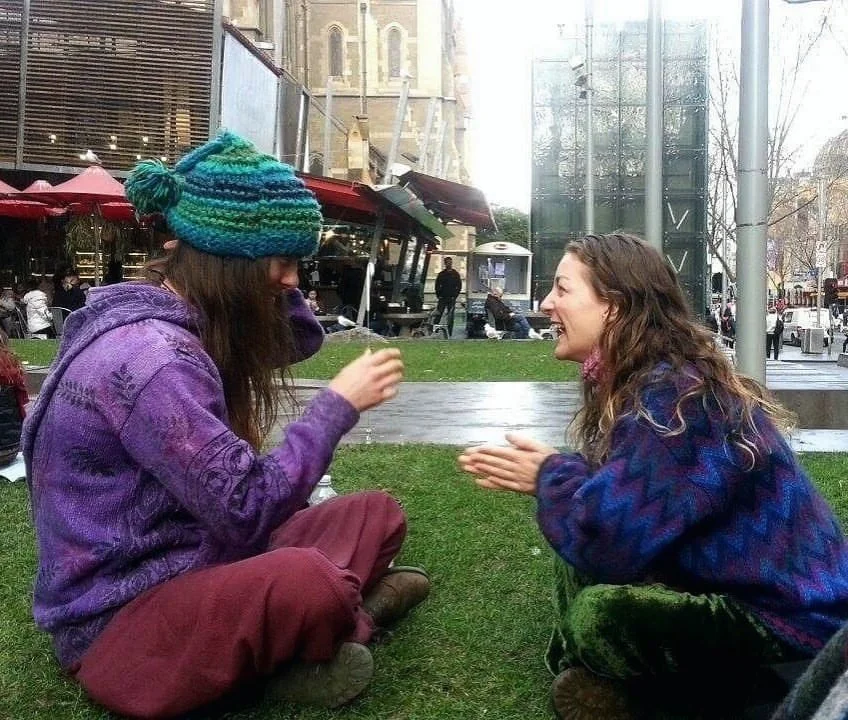
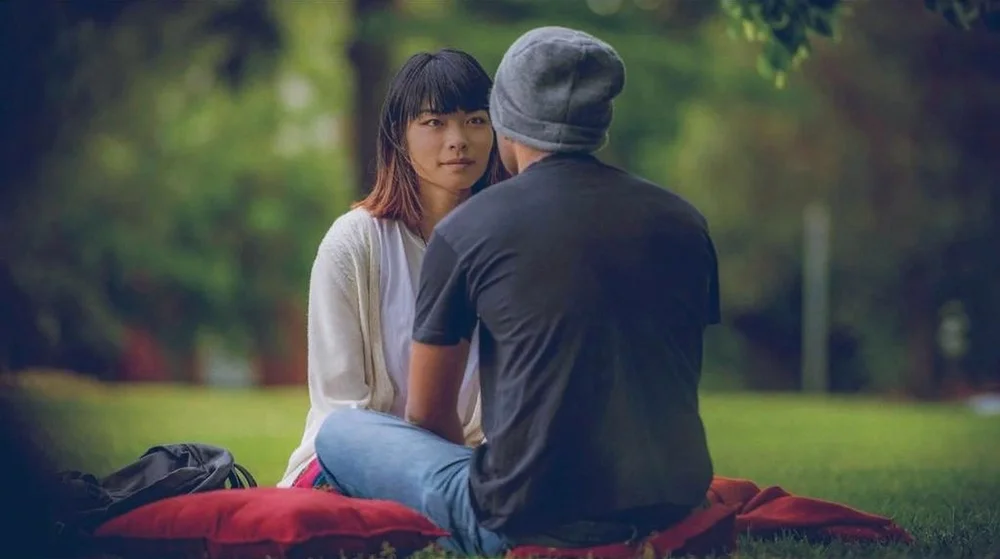
April 2016, Hyde Park. Traffic roaring past, church bells ringing, and on the grass, more than a hundred strangers sitting in pairs, holding each other’s gaze in silence.
The first minute was awkward. Then, pair by pair, something softened. People walking past stopped to watch, then sat down and joined in.
“Today I sat and felt like I knew their life story without saying a word,” one participant wrote afterwards. Month after month they came back, and in eight years there was not one complaint.
04It spread
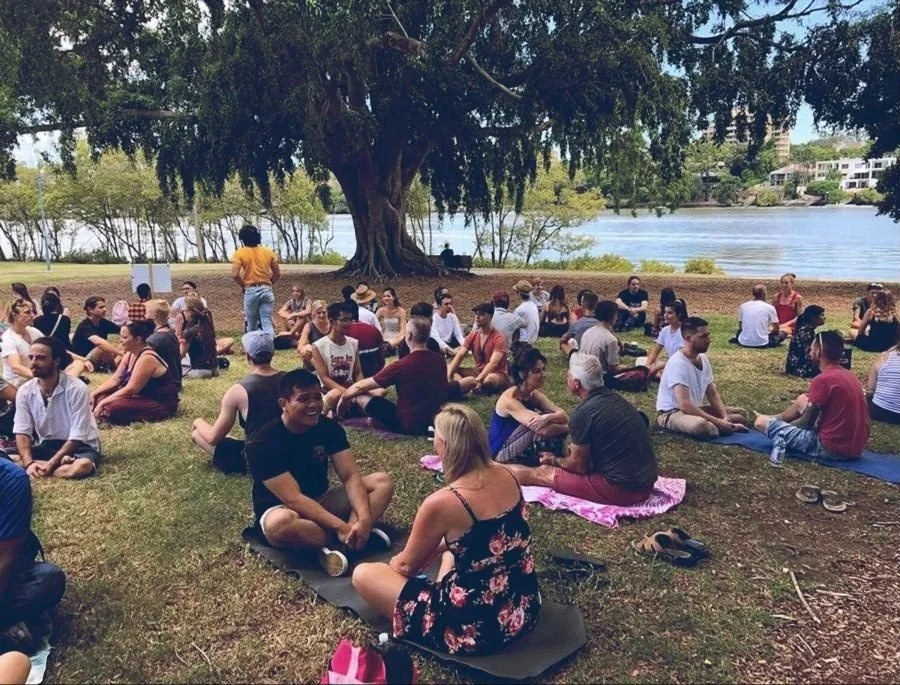
No budget. No headquarters. Within a year, it was global.
People came once, felt it, and asked how to run it in their own city. A month later it was in Melbourne, within months every major Australian city, and within a year as far as Los Angeles and Mumbai, carried by volunteers.
05Going deeper
From the park to the room. A different kind of closeness.
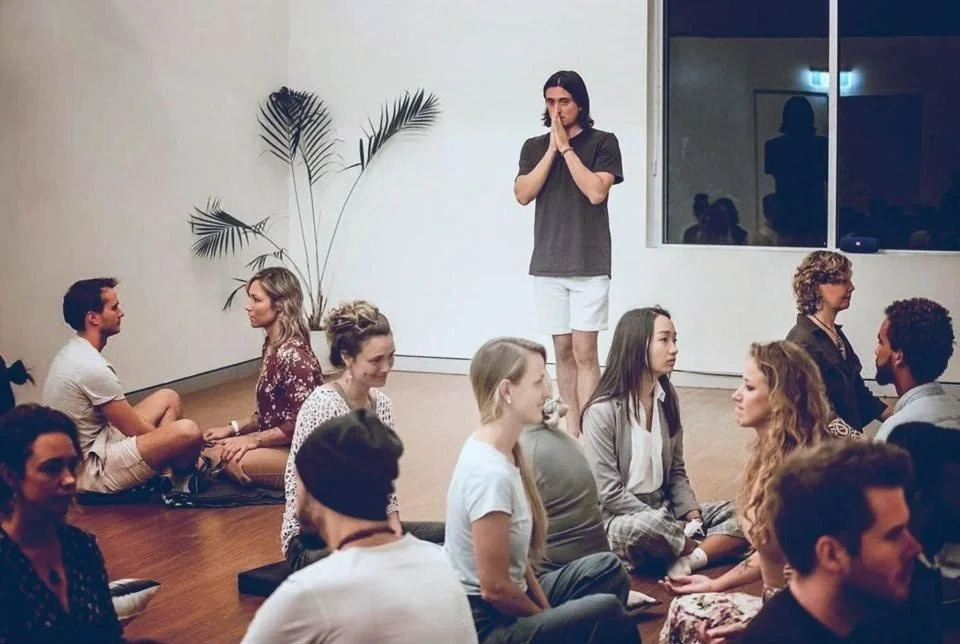
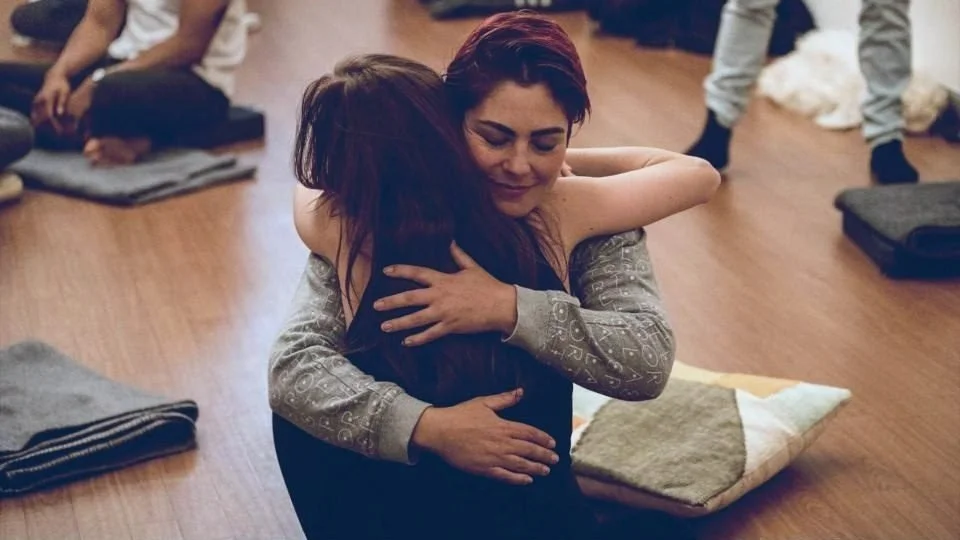
In 2018, Amy Pareezer joined as co-founder, and the work moved indoors. Three hours. One room. Twenty to thirty strangers.
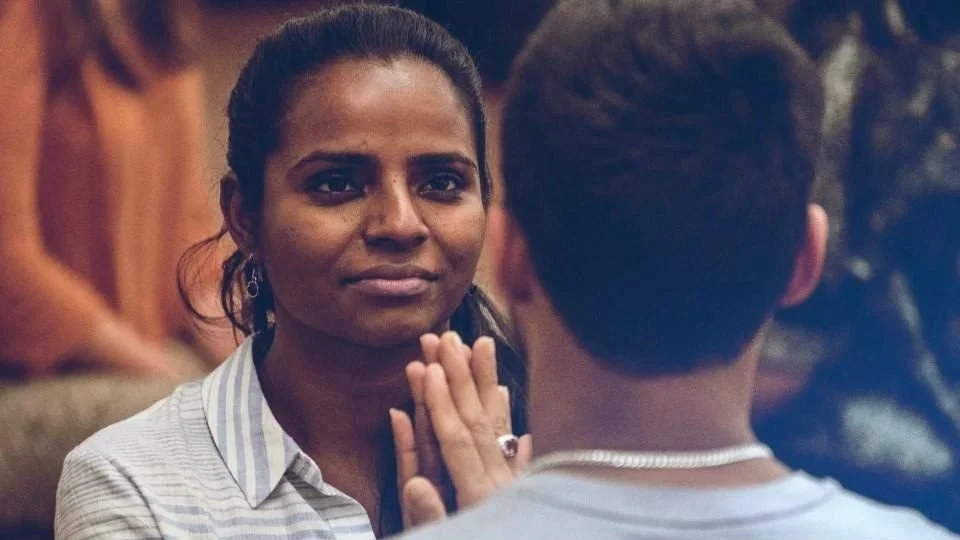
Through movement, sound and eye contact, people went further than a few minutes on the grass allowed. Guards came down, and people let themselves be seen without fear of judgement. Some left saying they’d felt closer to a stranger in those three hours than they sometimes feel to their own family.
06Schools and workplaces
From primary school classrooms to the corporate world.
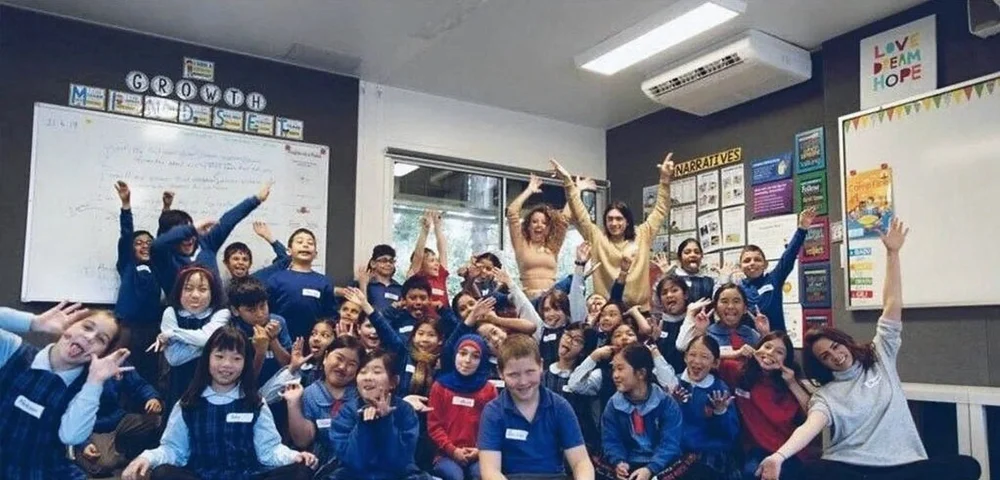
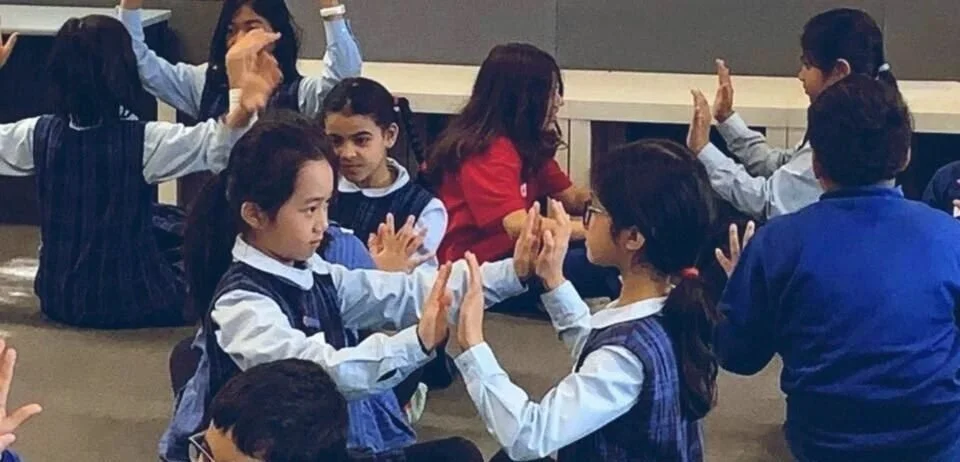
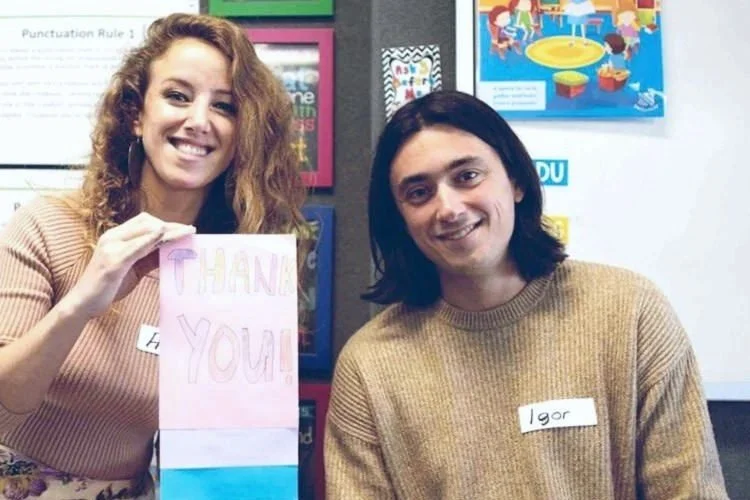
From 2019 the work went into primary schools, and from 2021 into workplaces, with CBRE as its main partner. Children and executives turned out to need the same thing: a safe way to really meet the people beside them every day.
Partners and clients






07How it grew
No grand plan. One step at a time.
“No one could have predicted this was going to happen,” Igor says. Each step grew out of the one before, carried by the people who kept showing up.
- 2015Where it began
Igor sits opposite a stranger for the first time, at Marina Abramović: In Residence.
- 2016Public gatherings
The first gathering in Hyde Park in April: more than 100 people come. Melbourne follows a month later, then every major Australian city.
- 2017Global
Volunteers run gatherings overseas, from Los Angeles to Mumbai. The Guardian, ABC, triple j and VICELAND cover the movement.
- 2018Workshops
Amy Pareezer joins as co-founder, and private three-hour workshops begin.
- 2019Schools
The program goes into primary school classrooms.
- 2020The method
Four years of learning become The Human Connection Method, and the work moves online through lockdowns.
- 2021Workplaces
Corporate programs begin, with CBRE as the main partner.
It was never really about eye contact.
It was about the oldest human need there is: to be seen for who we truly are.
Work with us
From the parks to your place.
Loneliness is now a public health crisis, linked by the World Health Organization to 871,000 deaths a year. Often it shows up quietly: in new neighbourhoods where people haven’t yet had a reason to meet, in teams who work side by side but rarely get to connect, in beautiful places still waiting for a heartbeat.
The urbanist Jane Jacobs wrote that “the trust of a city street is formed over time from many, many little public sidewalk contacts.” You can’t design those into a floor plan or mandate them in a memo. But you can create the conditions for them.
That’s what we do. We design gatherings, programs and experiences, built on eight years of practice, where people feel safe enough to drop their guard and leave feeling part of something.
Who we work with
Places and communities
For new neighbourhoods, precincts and public spaces where people live side by side but haven’t yet had the chance to meet. Gatherings and programs that help a place find its heartbeat.
Past work: public gatherings in parks and squares across 20 countries
Leaders and teams
For leaders carrying a lot, and teams who want more trust between them. Sessions that make honest, open conversation easier.
Past work: CBRE
Festivals and conferences
A moment your audience will carry home: a crowd of strangers, eye to eye, in silence.
Past work: YES& Festival, The Big Anxiety, Conference Festival
We also work with schools, universities, and health and wellbeing programs.
The founders
Founder
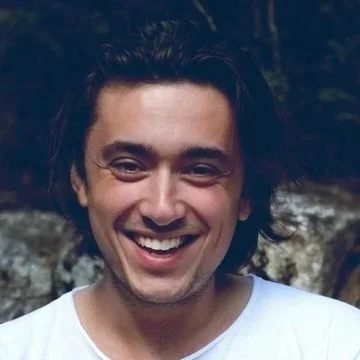
Igor Kreyman
Igor started The Human Connection Movement in 2016 with one invitation in Hyde Park, and spent the next eight years learning from the people who sat down. A facilitator with a background in acting, he now helps places, teams and communities create the conditions for real connection.

Co-founder
Amy Pareezer
Amy was an integral part of The Human Connection Movement, shaping its workshops and leading its growth into schools and workplaces. Before that, she spent more than three years supporting homeless young people and families in Sydney with Birds of Passage, and more than a year on earthquake relief in Nepal.
Placemaking · Consulting · Facilitated sessions · Gatherings and events · Speaking
Tell us what’s happening in your world.
A neighbourhood still getting to know itself. A team that wants more trust. A leader carrying too much alone. We’d love to listen.

We acknowledge the Traditional Owners of country throughout Australia and recognise their continuing connection to land, waters and culture. We pay our respects to their Elders past, present and emerging.
Public gatherings are paused for now. © The Human Connection Movement · Privacy Policy